ITM INDUSTRY EUROPE 2026 - man at the heart of industry

Published the 18/09/2025
ITM INDUSTRY EUROPE 2026 - man at the heart of industry

Halls full of new products, robots working hand in hand with humans, huge machining centres working at full speed, experts exchanging experiences and ideas—this is what the ITM INDUSTRY EUROPE 2026 trade fair promises to be. This event has been setting the pulse of modern industry in Poland and the entire region of Central and Eastern Europe for years. The upcoming edition will be unique not only in terms of scale, but above all thanks to new initiatives and thematic zones. The starting point for creating the ITM 2026 concept is the belief that HUMANS are the driving force behind all technological changes, and the fair provides a space for close meetings of people connected by industry. 

The focal point of the programme will be the thematic areas that have been the heart of the ITM INDUSTRY EUROPE trade fair for years: AUTOMA, MACH-TOOL, WELDING and SURFEX.

The division into four exhibitions, referring to the historical names of the fairs that accompanied the ITM fair in the past, is, on the one hand, a nod to tradition and, on the other, a way to meet the expectations of our exhibitors. We heard from them in business conversations that they felt the need to identify more with a specific industry. It was the companies we have been cooperating with for years that inspired us to create EXHIBITIONS based on brands already established among our exhibitors and visitors. Of course, the name of the ITM trade fair remains unchanged—it is the umbrella brand of the entire industrial bloc. Just like the slogan: INNOVATIONS, TECHNOLOGIES, MACHINES, continues to define the core of this event, says Joanna Kucharska, Director of the Product Group of Grupa MTP.

Automa-one of the four pillars of the exhibition
The AUTOMA Automation, Robotics and Pneumatics Exhibition is a space where the largest suppliers of modern solutions in the field of industrial process automation meet. Visitors can expect to see an exhibition of industrial robots, cobots and the latest solutions in pneumatics and control. The return of the zones that have been enjoying great popularity will be a particular attraction for participants. One of them is Pneumat Game, where you can feel the spirit of competition and test yourself in the pneumatic version of classic slot machines. These emotions and competitions for the maintenance staff will also be present in the 2026 edition. The Collaborative Robot Zone will also return.

As the exhibitors recall, a unique atmosphere prevailed in these spaces.

Michał Pniewski, who represented Schmalz—the main partner of the Collaborative Robot Zone, emphasised that the common space created by the partners was not only a place for presenting innovative technologies, but also a platform for exchanging experiences.

Visitors came with specific needs, and the conversations at the stands were substantive and often concerned real implementation projects. For visitors, the zone was a place where they could see innovative technologies and the operation of collaborative robots live. Interactive presentations and the opportunity to ask detailed questions to experts meant that participants left the stand feeling that they had gained new, practical knowledge and found solutions tailored to their needs. We are also pleased with the excellent cooperation between the zone's partners—together we have created a professional and coherent space showcasing the real possibilities of cobots, says Michał Pniewski.

MACH-TOOL-the centre of working machines
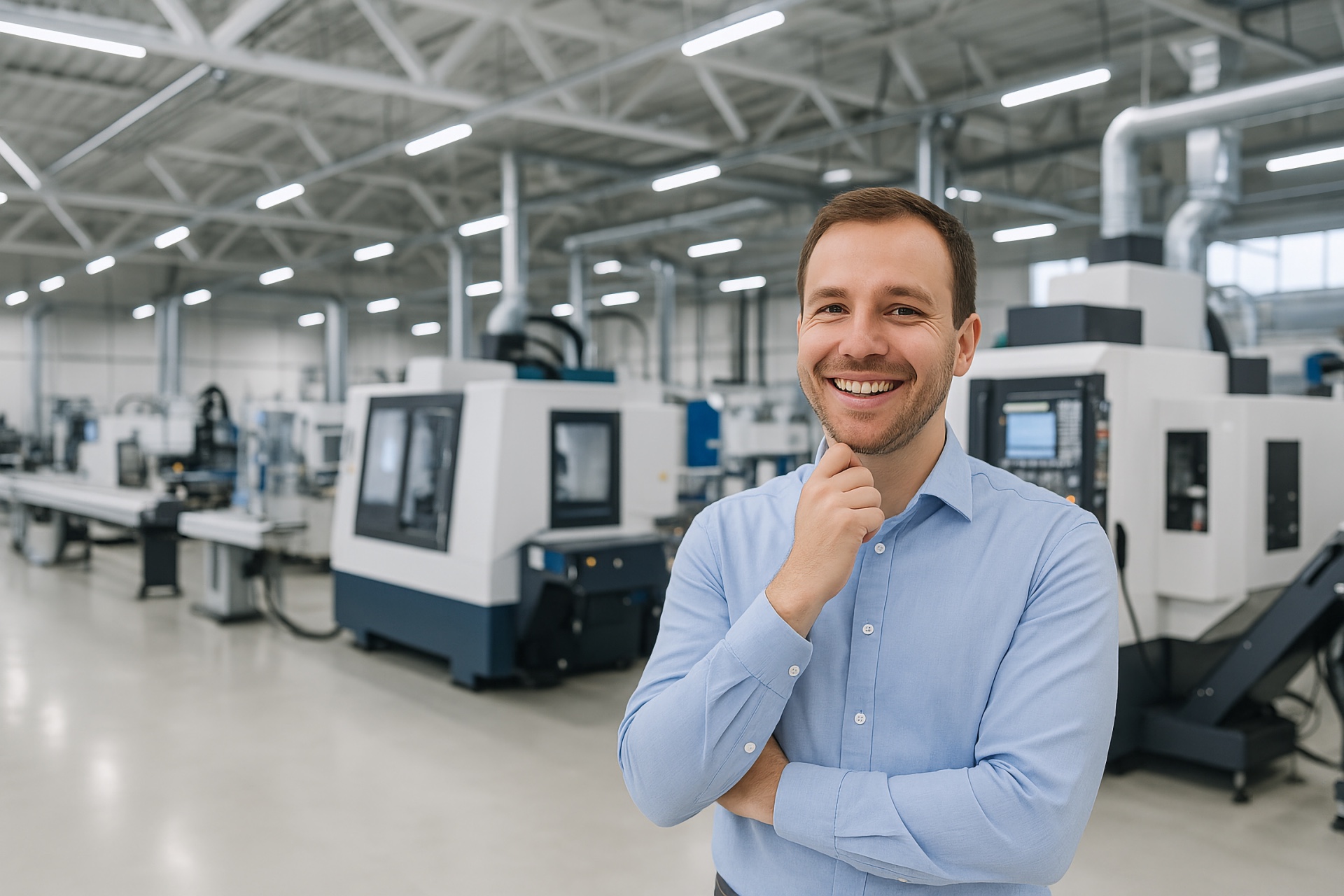
One of the pillars of the fair will also be the MACH-TOOL Exhibition, a space dedicated to machine tools and tools. This is one of those places where industrial tradition meets its most innovative face. Visitors will be able to see large-scale machining centres, modern milling machines, lathes and numerically controlled grinders, as well as innovative cutting tools in action. Visitors will be able to see large-scale machining centres, modern milling machines, lathes and numerically controlled grinders in action, as well as innovative cutting tools and sheet metal processing technologies—from precision lasers and punching machines to press brakes and lines for bending and thermal cutting. This is where you will discover how advanced laser systems and process automation are revolutionising the metal industry, ensuring speed, precision and efficiency in production.

Exhibitors prepare numerous live shows, which have been a key element of this exhibition for years—the noise of machinery and the smell of coolant are elements that create a unique atmosphere in this part of the exhibition and show industry at its most tangible.

SURFEX-Exhibition of Surface Treatment Technologies
The latest solutions in the field of painting, galvanisation, thermo-chemical treatment, and protective and decorative coatings will be on display at the SURFEX Exhibition. Companies operating in this sector are announcing the launch of their flagship products, which allow for increased durability and quality of components while reducing the environmental impact of the processes. SURFEX is a space particularly eagerly visited by representatives of the automotive, household appliances, aviation and construction industries who are looking for technologies that extend the life cycle of key components in their production lines.

WELDING-welding innovations
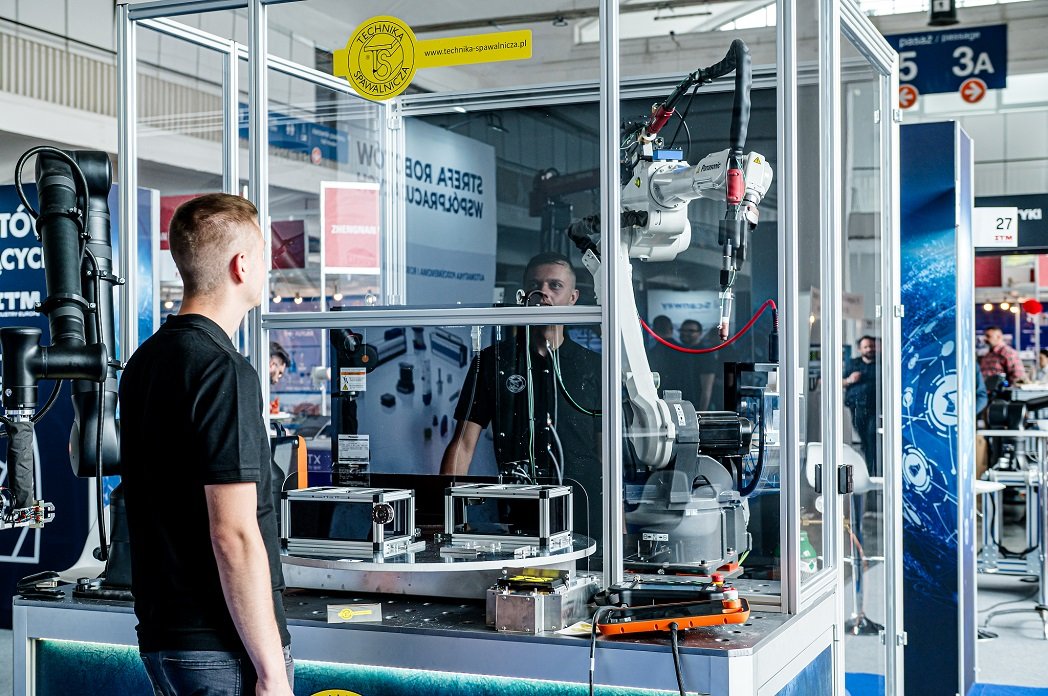
Exhibitors will present robotic welding stations, safety systems and solutions that revolutionise material joining processes at the WELDING exhibition—a place of welding innovations. This thematic space has been a place for intensive business talks for years, but also for practical presentations that attract both experienced welders and representatives of the technical staff of large production plants.

Demobuses and planned events
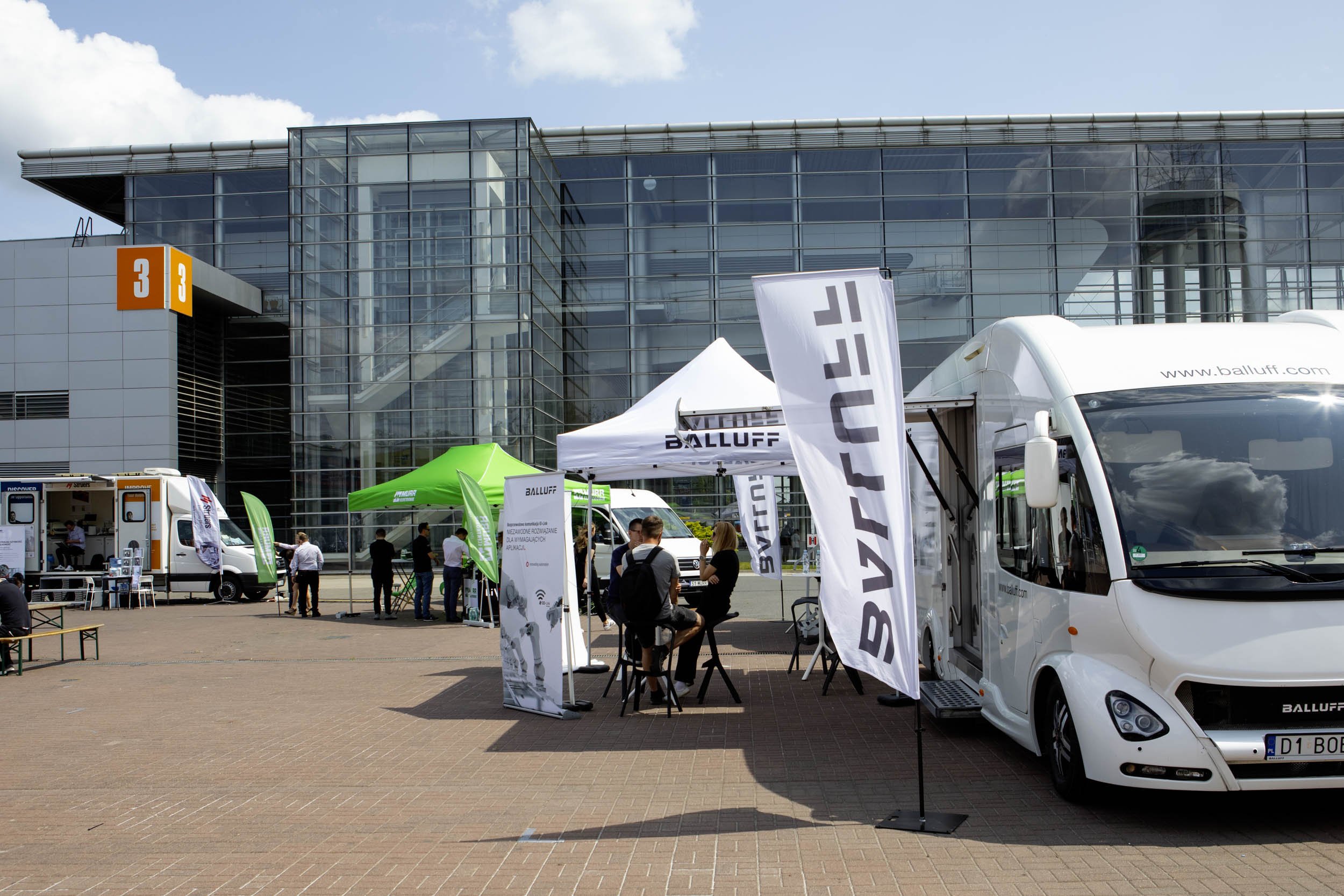
The DEMOBUS zone, which debuted during the ITM 2025 edition outside the exhibition halls, was very positively received by participants. The outdoor exhibition allowed for the presentation of industrial automation solutions in an accessible demonstration format, using specialised buses. The demobus zone is an interesting addition to the fair, and customers visited us with great interest. The most important condition is good weather, and this year it was perfect. The location was also perfect, as some people started or ended their day at the fair in the zone. The very form of presenting solutions is attractive and generates great interest, says Tomasz Dawid from Balluff.

In addition to the four main exhibitions, the organisers have also prepared several new programmes. In 2026, the following areas will debut: the Tool Zone, the Industrial Metrology Zone and the Industrial Application Zone, in which a special place will be occupied by companies offering solutions from the IT sector. There are also plans to prepare topics for the arms industry and launch certified training for narrow groups of recipients.

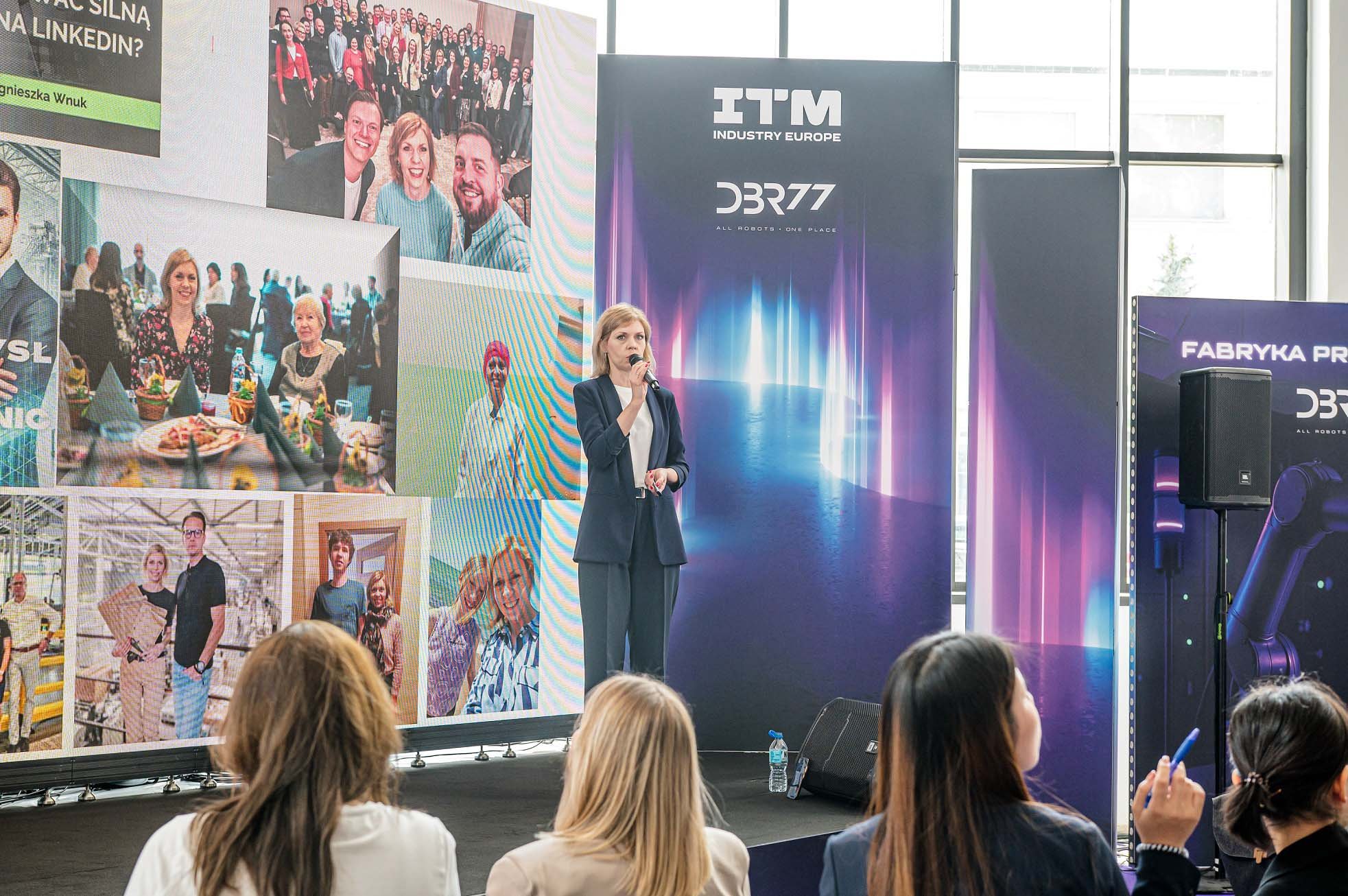
A strong highlight of the programme remains the 'Women Factories of the Future' conference, which in 2025 attracted a large group of participants and demonstrated that diversity and the role of women in industrial processes deserve a strong voice. The first edition of the 'Women Factories of the Future' conference proved to be a hit—it demonstrated that women in technical and industrial sectors not only support companies but actually co-create them. The best proof of this were the speakers who spoke with great power and authenticity on the DBR77 stage. Even though it was the first event of this type at the ITM trade fair, it attracted great interest. There's still a belief that the technical world belongs mainly to men—and we wanted to show that women also play key roles in it, says Agnieszka Wnuk, conference coordinator and B2B marketing expert.

The organisers, in cooperation with DBR77, are planning the next edition of the conference. Moreover, the prelude to this event will be a special edition of the popular LinkedIn Local meeting addressed exclusively to the industrial sector, scheduled for 9 October 2025 in Poznań. The partner of the meeting is the ITM INDUSTRY EUROPE trade fair. 

New graphic theme for the ITM trade fair
The 2026 edition also begins communication with a completely new graphic theme.

The starting point for the project was the assumption that humans are always at the centre of industry. They are the driving force behind change, the creators of innovation, and the guarantors that even the most advanced technologies and machines will not be created without human vision. The new identity, inspired by fingerprints, combines the symbolism of human individuality with an industrial character. We hope this will be a unique message for the entire industry, Joanna Kucharska reveals the secrets of the new concept.

A meeting that connects
ITM INDUSTRY EUROPE 2026 promises to be not only the largest, but also the most diverse industrial event in this part of Europe. Four days of trade fairs, hundreds of exhibitors and thousands of visitors will meet again in Poznań to discover modern technologies and solutions together. The organisers pay special attention to the trust of participants. The results of the satisfaction survey among those participating in 2025 confirm that nearly 85 percent of respondents would recommend the event to others, and over 85 percent declare their participation in 2026. The organisers' optimism is further strengthened by the latest market data. The eurozone manufacturing PMI stood at 50.7 points in July 2025, marking the first time in over three years that it has returned above the threshold of 50.

ITM INDUSTRY EUROPE will be held on 26-29.05.2026 on the fairgrounds of MTP Poznań Expo. The exhibition of the Modernlog and Subcontracting fairs will be available simultaneously.

For more information: ITM Industry Europe
ITM INDUSTRY EUROPE 2026 - man at the heart of industry

Other articles that may interest you

Us tariffs pose a risk to italian mechanical exports

The president of Anima Confindustria, Pietro Almici, calls on EU Commissioner Maroš Šefčovič for action.In an increasingly complex and competitive global context, the Italian mechanical engineering industry represented by Anima Confindustria is facing significant challenges due to the recent tariffs imposed by the United States. On August 19, the White House announced the introduction of duties of up to 50% on products and components made of steel, aluminum, and derivatives, a measure that threatens the competitiveness of Italian companies in the primary reference market for the mechanical engineering sector, with exports reaching €4.4 billion in 2024.Pietro Almici, president of Anima Confindustria, said: "It is essential that the European Union responds in a coordinated manner to these protectionist measures. On the occasion of his visit to Italy, we urge EU Commissioner Maroš Šefčovič to intensify negotiations with the US government to reduce bureaucratic burdens and eliminate extra duties on mechanical engineering products containing steel, aluminum, and copper. We believe it is necessary to define a defense strategy and accelerate market diversification, including new trade agreements such as the one with Mercosur. The mechanical engineering industry has historically been the engine of Europe's economic and social development. Companies in the sector not only drive exports but also contribute significantly to economic stability and social cohesion, with 60% of production destined for export. At this historic moment—Almici continues—specific agreements between US and European customs would reduce the bureaucratic burden, which, in the case of SMEs, can result in the deployment of as few as two or three people for two weeks to dedicate to a single order. A clearly unsustainable business cost for small and medium-sized companies, which comprise the vast majority of the Italian mechanical manufacturing industry.Despite recent trade tensions, mechanical engineering exports have demonstrated remarkable resilience. In the first half of 2025, export turnover for the sectors represented by Anima Confindustria remained stable, with growth of +0.4%, exceeding €19.8 billion (data from Anima's Statistics and Market Intelligence Office). In this scenario, it is crucial for the mechanical engineering industry to develop new strategies to safeguard and expand the market. The diversification of destinations, already underway towards North America, the Middle East, and Africa, represents a strategic lever for strengthening Italian exports and improving the trade balance, which has shown signs of rebalancing in recent years. A good example could come from the Mattei Plan, launched in 2024, which offers a concrete opportunity to relaunch Italian technological capabilities in Africa, supporting local development through equal partnerships and creating opportunities for European mechanical engineering SMEs. Similarly, in Europe, the harmonization and dissemination of European technical standards in partner countries would facilitate exports and industrial integration on our continent."We ask that in the upcoming trade negotiations, the European Union include concrete tools for regulatory convergence, in order to reduce time and costs and create barrier-free industrial corridors," added Almici. "Italy's strategic position in the EU manufacturing industry is essential to ensure solid commercial performance and contribute to the dissemination of European industrial standards."ANIMA Confindustria is the industrial trade organization that, within Confindustria, represents companies in the mechanical and related sectors, a sector that employs 221,700 people with a turnover of €55.5 billion and an export/turnover share of 59% (data from the Anima Research Office). The macro-sectors represented by ANIMA are: construction and infrastructure; material handling and logistics; food production; energy production; industrial production; safety and environment.

05/11/2025 Read more

Italian valves and faucets: a strategic sector worth nearly €10 billion.

Exports grew in the first half of the year (+4.6%). The United States returned to being the leading destination market, but tariffs are a concern for 2026. The Italian valves and faucets sector had a turnover of 9.55 billion euros in 2024 (+1.8% over 2023), with exports accounting for 63% of revenues.Exports also increased by 4.6% in the first half of 2025, reaching a turnover of over 3 billion euros. Among the destination countries, revenues from the United States, Germany, and Saudi Arabia are growing, while those from China are decreasing. The Ateco code "Other taps and valves" is in eighth place in the ranking of the top ten Italian products by trade balance in 2024, with a value of 5.3 billion euros. During the assembly in Milan, 12 international associations (from the USA, Japan, Germany, France, and the United Kingdom) were present for the "Milan White Paper," the shared position paper on hydrogen, nuclear power, and energy. Main risk factors for 2026: tariffs towards the United States, excessive bureaucratic and customs burden, devaluation of the dollar, increase in the price of copper, structural shortage of qualified personnel, and impact of the regulatory framework. Furthermore, the energy sector is a challenge for improving the competitiveness of companies, with energy prices remaining among the highest in the EU.Valves and taps are everywhere, from the energy sector to our homes to industrial plants and infrastructure. And Italy, with around 500 industrial companies and 30,000 employees, confirms its excellence at a global level, positioning itself as the second largest market in Europe, after Germany, and among the top six globally, together with Korea, Japan, China, the USA and Germany.According to data from the Statistics Office of Anima Confindustria, presented in Milan on 24 October by Sandro Bonomi, President of the Italian Association of Valve and Tap Manufacturers (federated with Anima Confindustria) during the annual meeting of AVR members, in 2024 the sector reached a turnover of 9.55 billion euros, recording a growth of 1.8% compared to 2023. Exports remain the main driver of the sector, representing 63% of revenues.Also in the first half of 2025, sales abroad grew by 4.6% compared to the same period of the year. Previously, exceeding 3 billion euros.Among destination countries, in the first six months of the year compared to the same period in 2024, the United States confirmed its leading position both in terms of export share (11.3%, equal to 343.4 million euros) and growth (+19.4%). It is followed by Germany, with a share of 8.9% (272.2 million euros, +1.9%) and Saudi Arabia, also at 8.9% (271.9 million euros, +13.3%). China, with a share of 6.1% (186.9 million euros), instead recorded a contraction of 4.4%.A strategic sector, as emerges from the analysis presented by Marco Fortis, Vice President of the Edison Foundation: the Ateco code "Other taps and valves" is in eighth place in the ranking of the top ten Italian products (4-digit Ateco) for trade balance in 2024, with a value of 5.3 billion euros[1], ahead of sectors such as basic pharmaceuticals and automotive components.The assembly highlights positive signs for the development of the sector, but also critical issues that could affect the competitiveness of companies.Among the opportunities, the trade agreement between the European Union and Mercosur countries opens up new spaces for growth, providing for the gradual elimination of duties on over 90% of industrial products: an agreement that offers the Italian valves and taps sector the possibility of Strengthen its presence in South America—particularly in Brazil and Argentina—and diversify export flows, reducing, as much as possible, dependence on markets subject to tariff tensions.Among the risk factors, however, is the uncertainty surrounding tariffs on the United States, the sector's primary destination market, which could lead to a decline in turnover in the coming years that is currently difficult to quantify.Added to this are further risk factors: excessive bureaucratic and customs burdens, which significantly increase the work required for exports, diverting resources from production and sales; the structural shortage of qualified personnel, particularly technical and specialized figures; the impact of changes in the regulatory framework, which could penalize Italian companies; the loss of competitiveness due to the strengthening of the euro against the US dollar; and the significant increase in the price of copper, which appears likely to continue in the coming years. Furthermore, particular attention will need to be paid to the energy sector, whose costs, among the highest in the EU, directly impact Italian companies. Nuclear, hydrogen, and the transition to clean energy sources are therefore the challenges for making our companies more competitive compared to other countries. "The valves and taps sector represents global excellence: a highly specialized sector, recognized worldwide for its quality, innovation, and ability to serve complex markets," says Sandro Bonomi, President of Avr. "Our companies today face significant structural challenges: bureaucratic complexity, tariffs, the lack of qualified technical personnel, and energy costs, among the highest in the EU, represent concrete obstacles to growth and competitiveness. At this stage, it is essential that institutions and the Government collaborate closely with associations and companies to preserve a sector that is currently worth almost 10 billion euros and remains strategic for the entire country system. Today's meeting was an essential opportunity for discussion on the future of the sector, thanks also to the presence of political representatives, international associations and market experts. A fundamental opportunity to consolidate the global reputation of the Italian valve and faucet industry, an emblem of innovation and Made in Italy quality.” The agenda of the annual AVR members' meetingThe meeting brought together institutional representatives, economists, geopolitical analysts, industry operators and 12 international associations from the United States, Japan, Germany, France, the United Kingdom and other countries, gathered in Milan for the "Milan White Paper", the shared position paper on hydrogen, nuclear power and energy, confirming the Lombardy capital as a global point of reference for the industry and highlighting the strength of exports, the economic importance and the strategic role of Made in Italy. After the initial speeches by Sandro Bonomi, President of AVR, and Marco Fortis, Vice President of the Edison Foundation, moderated by Greta Cristini, analyst geopolitics, the assembly was divided into five thematic open panels:Human Capital: Skills for the growth of the sectorEnergy and Industry: Clean Industrial Deal, energy and industry at the heart of the transitionHydrogen and Nuclear: Italian perspectives in the new energy contextWater / Chemistry: Water Resilience Strategy, DWD, PFAS, Lead, Chromium VISustainability and compliance: Safeguarding the competitiveness of the industry between CBAM and taxonomy.Each panel addressed key issues for the associated companies, including internationalization, technological innovation, energy transition, hydrogen, nuclear, production processes and development of skills of SMEs.The assembly focused on the future of the sector, with a focus on the new Italian nuclear power, which will be presented at the World Nuclear Exhibition, the world nuclear fair in Paris on November 4th with an Italian group of 28 companies created thanks to the Italian Trade Agency and the Ministry of Foreign Affairs and International Cooperation. of International Cooperation proposed by ANIMA Confindustria, and on developments in hydrogen, sectors in which Italian valves are essential components. Furthermore, innovative training and production process management methods for SMEs were explored, with the aim of supporting the growth of the sector in global markets. The meeting was attended by several members of the European Parliament and Italian parliamentarians from the Energy Commission, including the Hon. Paolo Inselvini, the Hon. Vinicio Peluffo, the Hon. Luca Squeri, the Hon. Luca Toccalini, the Hon. Isabella Tovaglieri, the Hon. Mariateresa Vivaldini, and the Hon. Silvia Sardone and Davide Carlo Caparini, Councilor of the Lombardy Region, presented the institutional perspective on the sector's energy and trade policies.AVR is the ANIMA Confindustria federated industrial association that represents Italian companies in the valves and faucets sector. In 2024, the sector achieved a turnover of 9.55 billion euros, with an export/turnover share exceeding 60% (data from the Anima Research Office).ANIMA Confindustria Meccanica Varia is the industrial trade organization that, within Confindustria, represents companies in the various and related mechanical engineering sectors, a sector that employs 221,700 people for a turnover of 56 billion euros and an export/turnover share of 60% (data from the Anima Research Office). The macro-sectors represented by ANIMA are: construction and infrastructure; material handling and logistics; food production; energy production; industrial production; safety and environment.

03/11/2025 Read more

Italian mechanical engineering exports: stable in the first half of 2025, but with signs of uncertai

Anima data show marginal growth (+0.4%), highly polarized sectors, and competitive pressure from abroadThe first half of 2025 closed with overall exports of Italian mechanical engineering substantially stable, recording marginal growth of 0.4% (for a total of 19.84 billion euros) compared to the same period in 2024. This figure portrays a resilient sector but also a picture of growing uncertainty, with highly polarized percentage performances that reveal some sectors experiencing strong expansion and others in sharp contraction. These are the main findings emerging from the analysis conducted by the Statistics and Market Intelligence office of Anima Confindustria on data for the first half of the year. The mechanical engineering sector continues to confirm its vocation for export, with approximately 60% of production destined for foreign markets. Nonetheless, the first-half data highlight contrasting trends that require particular attention.Among the sectors that recorded the best performances, hydraulic and steam turbine manufacturers stand out, followed by commercial refrigeration equipment, which grew strongly with a 20.8% increase compared to the first half of 2024 (equal to €407 million in exports). Industrial ovens are in third place, with a 12.5% increase, as well as bakery machinery and ovens, which recorded an excellent +9.2%. The valves and faucets sector confirmed solid growth, remaining a pillar of Italian exports with over €3 billion (+4.6%).On the other hand, the sectors experiencing the greatest difficulties showed significant contractions. Industrial forklifts suffered the sharpest decline, falling 20.2% from €1.31 billion to €1.05 billion. Internal combustion engines also recorded a sharp contraction of -19.7%, likely reflecting the ongoing transition to electric solutions and alternative energy sources. On the international market front, in the first half of 2025, the United States confirmed its position as the leading destination (€2.3 billion in total), partly due to the increase in orders from overseas companies in recent months – with the aim of stockpiling ahead of the full implementation of the new tariffs. Precisely because of the tariffs, serious concerns remain for many mechanical engineering sectors starting in the second half of this year.Germany, while remaining the second largest market for Italian exports (€1.87 billion and -3.3%), continues to show signs of weakness, confirming a negative trend that has now persisted for several quarters. France also shows increasing fragility (-6.3%), with marked contractions in various sectors, highlighting how economic and political instability is weighing on domestic industrial demand. Nonetheless, several Italian mechanical engineering companies have demonstrated their ability to diversify geographically, finding outlets in non-European markets – especially in Saudi Arabia and the United Arab Emirates. In Europe, exports to Spain have grown significantly (+13.1%), rising to fourth place among Anima mechanical engineering destinations, with a total of €934 million. On the import front, data show significant overall growth of 6.7%, signaling growing competitive pressure from foreign suppliers. Particularly notable is the trend in aeraulic systems, whose imports increased by 26.9%, and in bakery machinery and ovens: +109% compared to last year. Household goods also saw an explosion in imports (+32.6%). "The results of the first half of the year confirm that the Italian mechanical engineering industry, compared to the first half of 2024, has maintained substantial stability, once again demonstrating its resilience and ability to adapt," states Pietro Almici, president of Anima Confindustria."This figure, while positive in a complex international context, highlights a halt in growth. In recent years, the Italian mechanical engineering industry has demonstrated extraordinary strength and rebound ability, successfully diversifying its outlet markets even in critical moments. However, geopolitical tensions, the issue of US tariffs, the weakening of its main European partners, and growing competitive pressure from abroad generate uncertainty for the future. While maintaining its structural solidity, the mechanical engineering industry is facing increasingly pressing challenges. The ability demonstrated by Italian companies to maintain good positions on global markets is a positive element, but the situation requires constant attention and structural interventions to protect the competitiveness of a strategic branch for the entire national economy, without forgetting the social fabric implicitly involved. It is essential that national and European institutions support the sector with targeted industrial policies, promoting the competitiveness of companies and ensuring fair competition on international markets.ANIMA Confindustria is the industrial trade organization that, within Confindustria, represents companies in the various and related mechanical engineering sectors, a sector that employs 221,700 people for a turnover of 55.5 billion euros and an export/turnover share of 59% (Anima Research Office data). The macro-sectors represented by ANIMA are: construction and infrastructure; material handling and logistics; food production; energy production; industrial production; safety and the environment.

03/11/2025 Read more

Subscribe to our newsletter
To stay updated on the latest news of the industrial world

Contact us
Image Newsletter Lindustriale

L'industriale srl 2025 - All rights reserved
Privacy Policy - Cookies

Top
This website is protected by reCAPTCHA, therefore the Google privacy policy and terms of service apply.